Tuesday - Saturday 9:00 AM-5:00 PM(306) 522-2210hello@dehaarhair.ca2550 12 Ave #110, Regina, SK S4P 3X1
ChatGPT-Image-May-24-2026-05_09_17-PM-1-1200x800.png

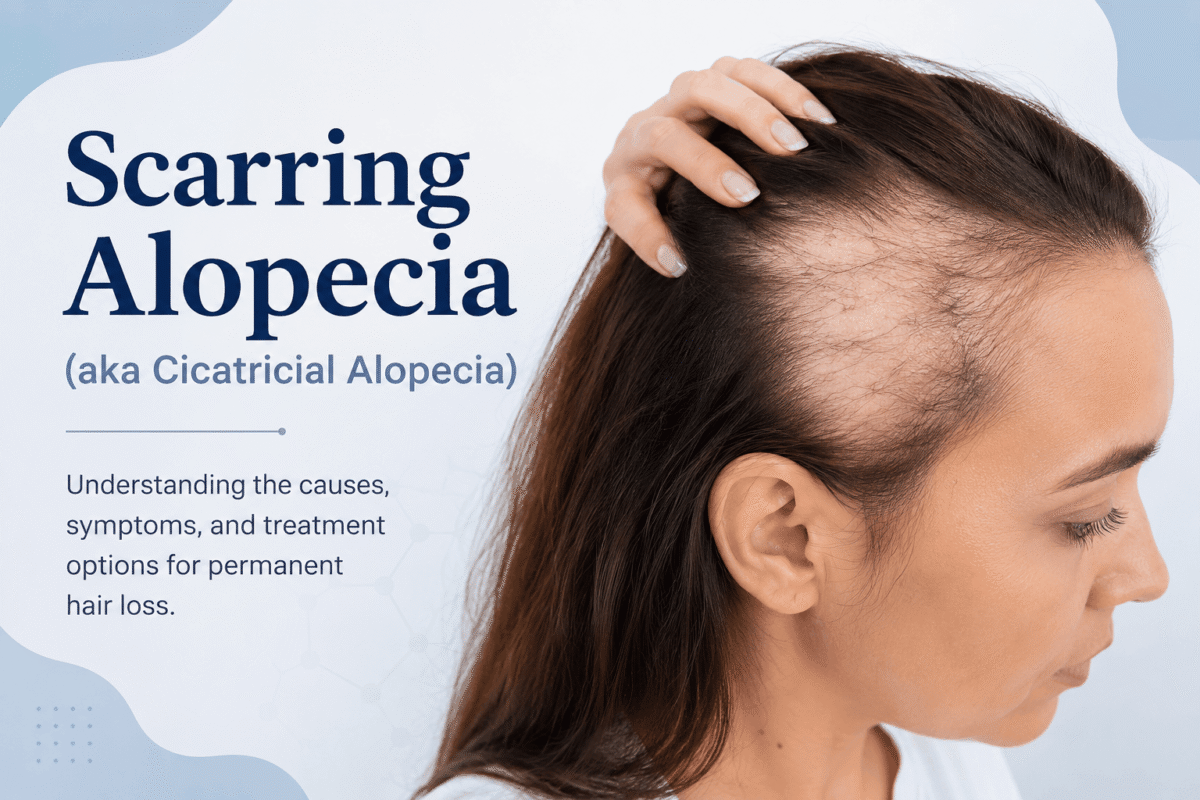
Scarring alopecia (also called cicatricial alopecia) is a type of hair loss whereby the affected patient develops permanent areas of hair loss. This is usually on the scalp but can include the eyebrows, eyelashes, beard and body hair. There are well over 50 types of scarring alopecia. However, the most common scarring alopecia’s can be summarized in a short list. These include lichen planopilaris (LPP), frontal fibrosing alopecia (FFA), central centrifugal cicatricial alopecia (CCCA), discoid lupus (DLE), and dissecting cellulitis (DSC). Below is a summary of the most commonly questions asked regarding scarring alopecia’s.

Is my diagnosis correct?

Many patients with scarring alopecia remain unsure if they have the right diagnosis. Some seek a second opinion from another physician (or third opinion). Determining the right diagnosis is absolutely essential. If one is not sure if the first diagnosis they were given is correct, they may consider getting a second opinion from a dermatologist or from a board-certified hair loss specialist.

Do I need a scalp biopsy?

Dermatologists and hair loss physicians may have different views as to whether every patient with potential scarring alopecia needs a scalp biopsy or not. These views fall in three main categories:

1) There are some hair loss centers/clinics/physicians whereby every patient with hair loss (scarring or non-scarring) gets a biopsy. Period.
2) There are some physicians who perform a scalp biopsy in every patient with scarring alopecia.
3) There are some physicians who perform a biopsy if the diagnosis is not certain or there exists ambiguity in the diagnosis.

The decision on whether a patient needs a biopsy comes during the final steps of a typical patient evaluation. Consideration is taken after an in-depth medical history and history of the hair loss, scalp examination and blood tests. If the diagnosis is clear and there simply can’t be another diagnosis possible, biopsy is not necessary. If, however, there is any ambiguity then a biopsy to confirm diagnosis can be performed. Scalp biopsy may be performed in some patients with what appears to be frontal fibrosing alopecia to rule out other conditions such as cutaneous lupus, discoid lupus, lymphomas, various infiltrative conditions, including some rare cancers.

I had a biopsy already, but it was said to be ‘inconclusive.’ Do I need another biopsy?

This scenario is not so uncommon. It’s not uncommon for a biopsy to return inconclusive. However, whether or not a patient needs another biopsy depends on a number of factors. Including their history, examining their scalp and reviewing their blood test. If the diagnosis is clear, a repeat biopsy is not recommended.

However, if there is any uncertainly then it is recommended that a repeat biopsy be done.

What treatment should I start?

The treatments that are available will depend on the diagnosis and generally include topical, oral and injection-based treatments. Some physicians start with topical treatments and considering adding steroid injections or pills to the overall plan if things get worse. Other physicians tend to start with topical, injection AND oral treatments first.

I’m in the second group. Provided the patient agrees, I generally believe in trying hard to stop the disease. I’d rather be a bit more aggressive first and then remove various treatments quickly once we know the disease is calming down than start slowly to add treatments once the patients gets worse and worse. There’s no right or wrong answer but one must remember that most of the time hairs that are lost in scarring alopecia are gone forever.

How do I know if my scarring alopecia is “active” or not?

This is a very common question but surprisingly a fairly easy question to answer much of the time. A patient’s scarring alopecia is active if a photograph shows the hair loss getting worse over time. In other words, the patient themselves can determine if a scarring alopecia is active by looking at their photos from time to time. If the hair loss is getting worse, it’s probably active. If the hair has not changed a bit over a period of a few years, it’s probably stable.

A physician can also determine if the scarring alopecia is active by taking a close look at the scalp. The appearance of redness and/or scaling around hairs may be a clue that things are active. Hearing from the patient that there is ongoing itching burning or pain are important signs that things are active.

However, there is a really important point that physicians often get wrong. Even though one can determine if a scarring alopecia is active by looking at the scalp. One can not determine if a scarring alopecia is quiet by looking at the scalp. The only way that one can confidently know that a scarring alopecia is in remission is with repeat photography over time. Some scarring alopecia’s appear very calm, and one would be tempted to say that it is inactive only to find that the patient has still lost hair when followed over time.

Is my treatment working?

There are many things that one must look at before determining if a treatment is working. If one has a lot of itching, burning or pain and finds that the treatment is helping to reduce that itching, burning or pain, then the treatment is likely working.

One must be careful not to use this as the sole criteria because the ultimate test as to whether a treatment is working is the determination at a time point 6 months and 12 months after starting the treatment as to whether there has been more hair loss or not. If there has been more hair loss, the treatment is not working well. If there has been no further hair loss, the treatment is working well.

Should I be doing steroid injections or not?

Steroid injections are helpful for some types of scarring alopecia’s. The decision as to whether one should be using steroid injections or not really needs to be taken on a case-by-case basis. Often, it’s reasonable to begin with steroid injections at some point early on in the disease course to see if these injections can help stop the disease. However, not all patients need steroid injections if their current treatment plan is successfully stopping the disease.

What caused my scarring alopecia?

We’re still learning a lot the causes of scarring alopecia’s and still don’t have all the answers. At present, it would appear that scarring alopecia’s are caused by a variety of processes that destroy hair follicle stem cells and oil glands (sebaceous glands). For some conditions, such as lichen planopilaris, it would appear that the production of abnormal (pro-inflammatory, toxic) lipids by the hair follicle, plays a very important role. In scarring alopecia’s like folliculitis decalvans, it would appear that bacteria such as Staphylococcus aureus plays an important role.

Am I at risk for other diseases because I have scarring alopecia?

Most patients with scarring alopecia are healthy. Various research studies have shown that a small proportion of those with scarring alopecia may have other health issues. For example, we know that individuals with lichen planopilaris may have a higher chance of having thyroid disease. Rarely issues such as high cholesterol may be present as well. The risk of low vitamin D appears to be increased as well.

Rarely, patients with discoid lupus are at increased risk for developing systemic lupus a disease that affects many organs in the body. Fortunately, this is not common. Patients with dissecting cellulitis may have acne, boils in the armpits and groin, and pilonidal cysts.

Can my scarring alopecia stop on its own?

Yes, scarring alopecia’s can stop on their own. We call this spontaneous remission or spontaneous burning out of the disease. However, not everyone’s scarring alopecia will burn out spontaneously. For those that do burn out spontaneously, the timing is highly variable and time course for spontaneous burning out can range from 1 year to 20+ years.

What blood tests should I be getting?

The precise blood tests that are ordered will vary from doctor to doctor. Some physicians don’t order any tests and simply let the patient’s story guide them as to what they should be ordering. Some order complete panels of blood tests on everyone.

Generally, I order CBC, TSH, ferritin and vitamin D on all patients with hair loss. Other blood tests may be ordered on a case-by-case basis including ANA, zinc, ESR, CRP, ENA, creatinine (kidney function tests), and liver function tests.

How often should I be seeing my hair loss physician?

The interval between appointments will depend on a variety of factors including the type of disease and the treatments being used. For patients with active disease who are just starting on new treatments, follow up every 4-6 months is reasonable at minimum. Patients receiving steroid injections may be seen every 4-6 weeks as well.

How often should I be taking photos of my scalp?

One should take photos every 3 months.

I think my disease has become stable. Should I get a biopsy again to check?

No, this would not be my recommendation. If one has not lost hair over an extended period of observation (i.e. 3-5 years), the patient’s disease is stable (inactive) by definition. The results of the biopsy will not sway this in any way.

Can I have a hair transplant?

A hair transplant may be possible for some scarring alopecia’s. For certain types of scarring alopecia’s, it is generally not a good idea. Scarring alopecia’s such as lichen planopilaris, frontal fibrosing alopecia and central centrifugal cicatricial alopecia can be transplanted provided they have been completely quiet (inactive) for 2 + years. Scarring alopecia’s such as discoid lupus and folliculitis decalvans can be transplanted provided they are inactive but tend to be more challenging. Success rates are lower in the later two conditions.

How long will I need to be on my treatment?

Generally speaking, most patients are on some type of treatment for several years. Initially, one may use a few treatments simultaneously such as topical steroids, and perhaps steroid injections with some type of oral medication. Over time, as the disease stabilizes, treatments will be slowly removed. Oral treatments might be removed first while continuing steroid injections. Over time if further improvement occurs, the interval between steroid injection appointments may be increased (i.e. from every 6 weeks to every 4 months). Eventually, these too may be stopped but the patient will continue on periodic topical steroid for some extended period of time. Some of my patients with very stable disease use a topical steroid once every two weeks.

Will I pass this condition on to my children?

Most scarring alopecia’s don’t seem to have a strong genetic component. For example, we don’t typically see lichen planopilaris or frontal fibrosing alopecia run in families (there are exceptions of course). The one scarring alopecia that may have a strong genetic component is central centrifugal cicatricial alopecia (CCCA). This may be more likely to be passed down in families.

If I don’t treat my disease and just let it run its course, am I harming myself in anyway?

There is no scientific evidence at present to suggest that by not treating the disease that one is placing themselves at any type of increased risk for other health issues.

Besides taking medications, are changes in my diet or addressing things like stress likely to help me?

Reducing stress in those that have high levels of stress could play an important role in improving one’s quality of life and sometimes even reducing symptoms like itching, burning or pain. Whether this actually helps stop the disease is unknown.

The role of diet continues to be explored. Certainly, diets rich in fruit and vegetables give the highest chance of providing antioxidant and anti-inflammatory benefits. However, whether avoiding certain foods (i.e. nightshade vegetables) or whether following certain other types of diets is helpful is still undetermined.

Is it okay to dye my hair?

For most people with scarring alopecia, the hair can continue to be dyed. If there is any evidence of irritation from visits to the salon this should be carefully reviewed with a dermatologist.

Should I change how often I shampoo my hair?

The frequency of shampooing does not need to be changed unless specifically advised by the dermatologist or hair loss specialist.

Are there any shampoos you recommend?

Dr. Gerbrands will review if there are any changes need in your shampoo. For the most part, the shampoo that you were using in the past can be continued. If there is any evidence of seborrheic dermatitis on the scalp, this should be treated.

What supplements should I be using?

The key supplements are those that replace any deficiencies. If one is deficient in iron or vitamin D, these should be replaced. There is no great evidence for a role of other supplements at this time. If one is using prescription medications such as doxycycline to treat the scarring alopecia, one should speak with the dermatologist as to whether probiotics should be used as well.

Can I continue to use TOPPIK and similar camouflaging fibers?

These products are generally safe and can be continued. They should be washed out if topical medicines are going to be applied to the scalp.

Are there patient support groups nearby?

There may be support groups nearby. One can search Facebook, Google and Reddit to see if there are support groups for those living with scarring alopecia’s. I recommend that patients contact the Scarring Alopecia Foundation (SAF) at https://scarringalopecia.org to enquire about support groups that may exist in one’s geographical area.
ChatGPT-Image-May-24-2026-05_10_44-PM-1-1200x800.png

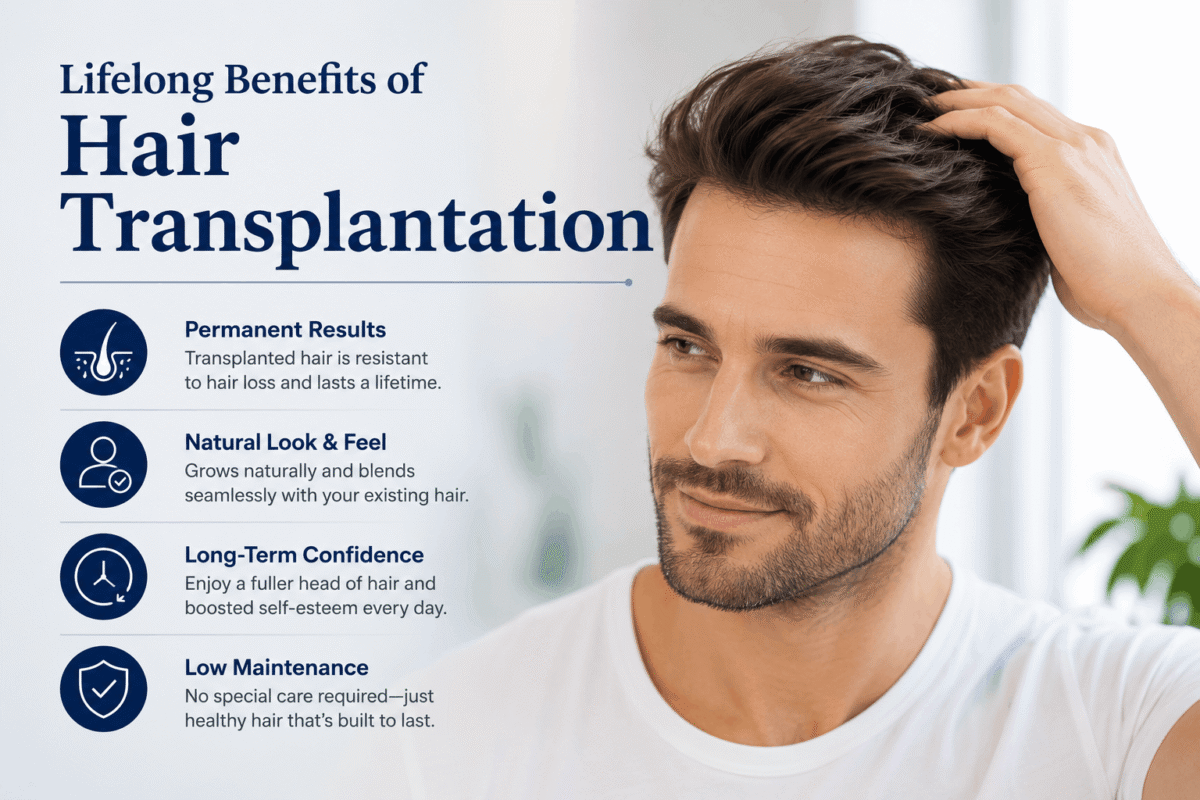
Hair transplantation is a very popular solution for those experiencing alopecia. There are many advantages to having a hair transplant over taking medication to maintain your hair. First of all, medication works to maintain the hair as much as possible, so long as you take the medication. For some people this is not an option due to potential side effects and although these side effects are rare, they do affect some people. Medications have helped hair transplant recipients to maintain any original hair that was already in the balding areas prior to adding the transplanted hair.  Hair transplants relocate viable, healthy hair producing follicles that are resistant to hair loss into areas that have already lost hair or areas where one may not have  any viable hair follicles to ever produce hair. Once hair is transplanted from the donor area,  these hairs continue to grow naturally, providing a permanent and  long-term solution.

Modern hair transplant techniques allow for a natural seamless look that is virtually undetectable. Transplanted hair is no different than any other natural hair on your head and after the initial healing period of the procedure itself, it can be treated just like any other hair on your scalp. There is absolutely no need for any special maintenance or products in order to keep your transplanted hair.  It is there forever.

It is common knowledge that restoring your hair can significantly increase your confidence, boost your self esteem and give you a more attractive and youthful look.

Transplants are more affordable than ever before, and in reality, they are far more economical in the long run compared to the expense of prescription medications and topical solutions that need to be taken daily for the rest of your life in order to maintain your hair and De Haar Hair Restoration offers the highest quality and best value on hair transplants available in Canada and the USA.

The great thing about hair transplants is that you can actually design the hairline and create a custom look that suits your facial structure, and you can also obtain the desired density so long as you have the appropriate donor hair available. Hair transplants complement your appearance. The benefit of transplanted hair is that it is resistant to the effects of DHT, which is the hormone responsible for alopecia. Transplanted hair follicles continue to produce hair throughout your lifetime so, you never lose your investment. Feeling more confident in professional and social settings is a great benefit as you no longer need to worry about judgment from others or how you look. Modern techniques of hair transplants are minimally invasive and have a very quick recovery time. In the hands of a qualified board-certified hair loss surgeon, there is minimal risk of complications an apart from an initial pinch that barely lasts a second at the start of the procedure where the scalp is anesthetized, it is a very comfortable procedure. Patients are minimally  sedated but conscious so,  the time flies and by the time the transplant is finished, it seems like you’ve only been sitting for a very short amount of time. The benefits of a hair transplant will last a lifetime. Of patients who choose hair transplantation, they often tell us they wish they had done it sooner and that it was so much easier than they had anticipated.

ChatGPT-Image-May-24-2026-05_12_54-PM-1-1200x800.png

The ISHRS is the “International Society of Hair Restoration Surgeons”.

“This professional society was created in 1993 by an initial core of pioneer hair transplant surgeons who saw a need to establish a formal society focused on hair restoration surgery and uphold higher standards of care in an emerging speciality that was in its infancy. Their vision was to create a membership society where ideas and innovations could be exchanged with surgeons from around the world to improve patient outcomes, train other physicians, encourage scientific studies and educate the public about hair restoration surgery.

Today, hair restoration techniques, instruments and improved technology contribute to virtually undetectable results. But delivering these results requires a properly trained surgeon with experience. The ISHRS provides the highest quality education to physicians ensuring they have access to the latest innovations and scientific research related to hair loss and treatments.

The Society hosts the largest annual scientific congress for hair transplant surgeons in the world and has greatly accelerated the development of international knowledge and expertise. The ISHRS offers high quality CME courses, a robust journal, access to live surgery workshops, and a network for physicians to exchange ideas with one another. By funding research, the ISHRS seeks to establish best practices for techniques in the field as well as continue to advance the knowledge of hair biology. The ISHRS upholds high ethical standards.

Additionally, the ISHRS is active in advocacy efforts to protect and educate consumers about the increasing numbers of unlicensed personnel or physicians with minimal training worldwide performing hair restoration surgery, the dangers of medical tourism, and the importance of consumers researching a qualified hair transplant surgeon.”

Courtesy of ISHRS.


Polycystic ovary syndrome ( PCOS)  is a rather common condition caused by a hormonal imbalance that occurs when the ovary produces excess hormones. Regardless of its name,  not everyone who has polycystic ovary syndrome has cysts on their ovaries.  Often, the majority of women are not diagnosed until they are of childbearing age and have difficulty conceiving a child. This is also why the majority of women are diagnosed in their 20s and 30s.

There are four types of PCOS,

1) Insulin resistant,

2) Medication and substance induced,

3) inflammatory and

4) Hidden cause, possibly genetic.

A diagnosis is made by the presence of any two of the following: Menstrual irregularities, Polycystic ovarian morphology detected by transvaginal ultrasonography. An increased ratio between luteinizing hormone and follicle stimulating hormone detected by blood testing. The normal ratio is 1:1. For women with PCOS the ratio is 2:1 or even 3:1.

Some of the more common symptoms of polycystic ovary syndrome are irregular periods, acne issues,  obesity, abnormal pigmentation of the skin or darkening of the skin, excessive hair growth on the body, what is referred to as hirsutism. Hirsutism affects upwards of 70% of women with polycystic ovary syndrome. Another symptom of PCOS is thinning hair  and patchy areas of hair loss on the scalp. Some women with  PCOS have cysts on their ovaries but this does not apply to all women with PCOS.

Women with polycystic ovary syndrome generally have a higher level of male hormone specifically the hormone, androgen. Hormones behave in a balancing manner, similar to see-saw or balancing scale if you will.  Too much of one hormone generally creates a low level  of  another hormone.  Excess androgen  directly impacts  insulin resistance which can lead to diabetes. It also produces  low-grade chronic inflammation throughout the body.  High levels of androgen can also cause acne of both the  cystic and bullous types. Excessive growth of body hair as well as thinning and balding patches on the scalp are also quite common symptoms seen with PCOS and often the first symptom.

Certain lifestyle choices exacerbate symptoms of PCOS and although a poor diet is not a cause of PCOS, the symptoms of PCOS can be aggravated and become worse with a nutritionally deficient, highly processed diet, especially inflammation throughout the body. To avoid and reduce the risk of the development of diabetes and heart disease a Mediterranean diet, which eliminates saturated fats and refined sugars, or a diet of whole foods is recommended for women who have PCOS. The avoidance of fried foods such as French fries and potato chips, Saturated fats such as butter and margarine. Red meat,  processed luncheon meats including hot dogs and processed bakery goods such as cookies, cakes and pies all should be avoided.

Diets that eliminate carbs should be avoided because carbohydrates play  an important role in maintaining proper blood sugar levels and contribute to overall health. Low glycemic carbs are recommended. A great way to stabilize blood sugar is to eat smaller portions more frequently, throughout the day.

Although there is no cure for polycystic ovary syndrome, PCOS can be effectively managed through the development of a plan and the dedication and compliance of the patient.   Management and treatment of PCOS includes a lifestyle change, eating a nutritious whole food diet along with daily exercise, and maintaining a healthy body weight. Studies have shown that even a 30-minute walk can produce positive health benefits.

Pharmaceuticals can be used that specifically block androgen and hormonal birth control can be used to help those women who have irregular menstrual cycles.


Hair loss or alopecia occurs when the natural hair growth cycle is disrupted. To understand this, it’s crucial to explore the biology of the scalp, hair follicles and the phases of hair growth. Here’s a breakdown of what happens at the microscopic level in the scalp and factors that lead to hair loss.

Hair grows in a cyclical pattern that consists of three phases. The “anagen phase” or growth phase is where there is active hair growth from the follicle.  This phase typically last two to seven years depending on genetics, environmental factors and lifestyle.  About 85 to 95% of your hair is in the antigen phase at any given time.

The second phase is the “catagen phase” or transitional phase. This phase generally last from two to three weeks and marks the end of the active growing stage.  At this point the follicles begin to shrink and the hair separates from the follicle at its base but still sits there. The “telogen phase” is when you’re hair sheds. After the hair falls out,  the follicle will rest for approximately two to four months before re entering the anagen phase. Hair loss occurs when this cycle is disrupted reducing the time spent in the anagen phase and increasing the length of time in the telogen phase.

Hair follicles are small pocket-like structures in the scalp that produce and anchor hair. These follicles rely on a healthy blood supply and receive oxygen and nutrients. When disrupted,  the follicles can shrink. This process called miniaturization. These shrunken follicles produce thinner and weaker hair,  eventually becoming dormant and stop producing hair altogether.

A hormone called Dihydrotestosterone, often referred to as DHT plays a major role in hair loss and particularly  in people with a  genetic predisposition to balding. The hormone testosterone which is present in both men and women  converts to DHT.  This hormone binds to the receptors in the hair follicles causing them to shrink and eventually stop producing hair. This shrinkage leads to androgenic alopecia which is the most common type of hair loss in both men and women.

Fluctuations in estrogen, cortisol or thyroid hormones can also disrupt the growth cycle. This results in poor circulation to the scalp and a reduction in  the delivery of oxygen and nutrients to the hair follicles,  impairing their ability to sustain growth.

Scalp inflammation is another factor that damages hair follicles and the surrounding tissues. This causes conditions like alopecia areata or scarring alopecia and  involves the immune system attacking the hair follicles. Stress can also play a major role. High levels of stress can trigger telogen effluvium,  a condition where more hairs prematurely enter the telogen phase and the hair fall out in clumps. In addition to biological causes, external factors can weaken the scalp and hair follicles. Excessive styling and  overuse of hot hair dryers and hair irons, chemical treatments and tight hairstyles can cause traction alopecia and breakage. Traction alopecia is where mechanical forces pull on the hair Causing breakage.

Dietary deficiencies such as a lack of protein, iron and essential vitamins like biotin and vitamin D can weaken the hair structure. Pollution can also pay a role in alopecia. Environmental pollutants can build up on the scalp,  clogging follicles in contributing to hair thinning. A healthy scalp is essential for hair growth.

Common scalp conditions linked to hair loss include seborrheic dermatitis, folliculitis and dry scalp.  Hair loss can be broadly classified into genetic and acquired categories. We say broadly because given our individual lifestyles and habits, these categories overlap.

Genetic androgenic alopecia is an inherited sensitivity in the follicle to DHT  leading to gradual thinning an eventual baldness. Acquired hair loss is hair loss that is induced by stress, illness, medications or environmental factors.

Scientists continue to gain new insights into hair loss. Stem cell research plays an important role in the understanding hair regeneration. Researchers are now exploring how to replicate hair follicles in laboratories for transplantation, but they are not there yet. An imbalance in the scalp microbiome or natural bacterial environment may contribute to hair thinning and hair loss.  Understanding the science of hair loss paves the way for prevention and treatments in order to mitigate hair loss, include maintaining a balanced rich in nutrients that are essential for hair health.  Using gentle shampoos and avoiding harsh styling practices helps maintain the health of the hair and the follicles. It is not necessary to wash the hair daily as the  stripping away of natural oils that help protect the integrity of the hair make it susceptible to damage.

Light scalp massage can help to improve blood flow and stimulate growth. Managing stress and taking time for yourself each day can help prevent telogen effluvium.

In conclusion hair loss is a complex condition influenced by genetic, hormonal and environmental factors and  by understanding what happens on a cellular level in the scalp,  individuals can take protective steps to protect their hair and explore targeted treatments to combat alopecia. A healthy scalp is truly the foundation for healthy hair.


Minoxidil and finasteride are two of the most common medications used to treat hair loss. Finasteride is an FDA approved medication for treating male pattern baldness. Finasteride is most often prescribed for males who have androgenic alopecia. Many men have been effectively treated for decades using finasteride to maintain their hair at optimum condition and density without issues. Finasteride is not prescribed for women of childbearing age or those who are pregnant or those who plan to become pregnant because it is a teratogen, meaning it can cause birth defects. In certain cases, it is prescribed off label for post menopausal women, but this is always under strict medical supervision. Women should never take finasteride under any circumstances other than as prescribed by your physician or fully qualified hair loss specialist. Topical minoxidil (Rogaine) is FDA approved for use in both men and women with hair loss.

Finasteride works by blocking the conversion of testosterone into dihydrotestosterone (DHT), the hormone that contributes to the hair follicle eventually shrinking and producing thin and weak hair. This is referred to as miniaturization. Eventually this hair falls out during the telogen phase and does not grow back. Finasteride protects the hair follicle by blocking the formation of DHT in the hair follicle. Reduction of DHT levels in the scalp not only prevents hair loss, but it can promote regrowth in follicles that are still viable. Finasteride is most effective for hair loss at the crown and mid scalp.

It is best to consult with hair loss specialist when you notice thinning  hair before excessive follicular damage occurs. Results are noticeable within three to six months. Finasteride must be continuously taken throughout one’s life in order to keep the hair. Once finasteride is stopped, all the hair gained will be lost within 3-4 months and the hair will rapidly revert to its normal balding pattern.

Minoxidil was originally developed as an oral anti hypertensive drug. Scientists discovered that minoxidil did not work consistently at controlling blood pressure however,  many women complained about hair growth on the face and body while taking it. When it was applied topically it grew hair. The topical application of  minoxidil results in less medication being absorbed systemically but not enough to impact blood pressure significantly. Minoxidil stimulates the secretion of growth factors and promotes hair growth by the stimulation of dermal papilla and epithelial cells. Minoxidil increases blood flow to the hair follicles providing nutrients and oxygen which extend  the Anagen or growth phase of the hair cycle.

Minoxidil requires consistent use to maintain the hair. The full effects of minoxidil are seen at the 12th month.

Because these medications work by different mechanisms there are situations where your hair loss specialist may combine both therapies. It is always best to consult a hair loss specialist so that they can diagnose the exact cause of your hair loss and prescribe the treatment that will be more effective for you.


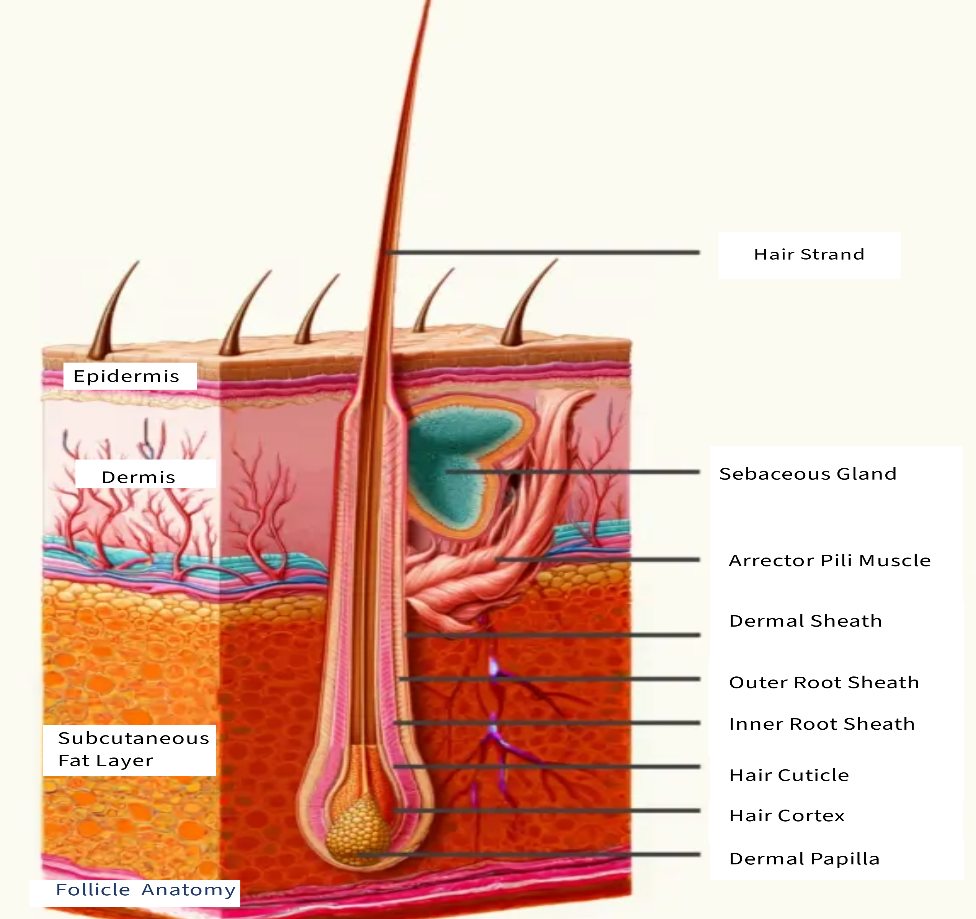
Understanding the Anatomy of the Hair Follicle

The hair follicle is a complex structure located in the dermis of the skin. It is responsible for producing and anchoring the hair. This intricate anatomy supports hair growth throughout the hair cycle phases.

The Hair Shaft;

Cuticle: The cuticle is the outermost layer of the hair made of overlapping cells that protect the hair and adds to its tensile strength.

Cortex: the cortex is a thicker middle layer containing keratin and the pigment melanin. This layer gives the hair its strength and texture. It also contains melanin which gives the hair it colour.

Medulla: the medulla is the innermost layer and is present in only some types of hair. The medulla provides structural support.

The Follicular Structure;

Infundibulum: This is the upper portion of the follicle that opens up to the skin surface it includes the sebaceous gland ducts. A blockage in this area can cause an ingrown hair.

Isthmus: The middle section of the hair follicle itself is called the isthmus. It is located between the sebaceous gland duct and the bulge region of the follicle.

Bulge: The bulge is a shallow recess filled with stem cells and is located in the outer root sheath of the follicle. These stem cells are essential for hair growth and follicular regeneration.

Bulb: The bulb is the enlarged base of the hair follicle which contains cells that divide to produce the hair shaft.

Outer Root Sheath: The outer root sheath is a protective layer that extends from the epidermis and surrounds the hair follicle.

Inner Root Sheath: The inner root sheath lies beneath the outer root sheath and helps guide and shape the growing hair shaft.

Dermal Papilla: Dermal Papilla are found at the base of the follicle bulb. They are a cluster of specialized cells containing blood vessels that supplies the blood and vital nutrients relaying the chemical signals that regulate the hair growth cycles.

Sebaceous Glands: The sebaceous gland is attached to the follicle. Its function is to secrete sebum (oil) to lubricate the hair and surrounding skin.

Arrector Pili Muscle: The erector pili muscle is a smooth muscle connected to the follicle. It contracts in response to cold or fear causing the hair to stand on end.

Blood Supply and Nerves: The hair follicle is nourished by a rich capillary network around the dermal papilla. It is packed with sensory nerves. This allows it to be sensitive to touch and pain.


Some of us notice an increase in hair loss during certain times of the year. This is a natural phenomenon that occurs typically in the late summer and early fall months. although it can be alarming seasonal shedding is usually temporary and part of the normal hair growth cycle. What is happening here is the hair is entering the telogen phase of the hair growth cycle. This is the phase where the hair falls out and the follicle rests. It is a natural process that  does not result in you  losing all your hair.

On average people lose about 50 to 100 hairs per day but during seasonal shedding this number can increase up to 150 or more hairs. The exact reason isn’t fully understood but there are a few theories, some supported by research. During the summer more hair follicles are thought to remain in the anagen phase or growth phase to protect the scalp from UV rays and regulate body temperature, as the seasons change many of these follicles simultaneously  shift into the telogen phase leading to an increase in shedding.

Some scientists believe seasonal shedding is an evolutionary trait that is an inherited factor where  during warmer summer months humans retain more hair to shield their scalps and during the winter months the body may shed hair to conserve energy and allow for a phase of rest.

The amount of sunlight exposure can impact hormones like melatonin and prolactin which may influence the hair growth cycle. As daylight hours decrease in the fall,  hormonal shifts may push more hair follicles into the telogen phase.  Prolonged sun exposure in the summer can weaken and damage hair potentially triggering telogen effluvium, which is temporary hair loss. Increase sweating which causes an exposure to salts and exposure to chlorine during summer months may also irritate the scalp and contribute to hair loss.

During the telogen phase it is normal for one to notice more hairs on their pillow or perhaps in the hairbrush or shower however,  it’s important to differentiate between seasonal shedding and chronic hair loss. Seasonal shedding is a temporary increase in hair loss for a few weeks typically occurring around the same time each year. Chronic hair loss is caused by genetic factors such as sensitivity to DHT and exacerbated by other factors such as hormonal imbalances, medical issues, medications, and environmental issues. Chronic hair loss continues throughout the year while seasonal shedding usually lasts between two to three weeks and on occasion can last longer.

With seasonal shedding the density of your hair remains relatively unchanged however with chronic hair loss the density of your hair becomes less and less until you notice a considerable thinning of the hair.

There are steps you can take to manage seasonal shedding.

Maintaining a healthy diet and focusing on nutritional whole foods rich in  zinc, iron, biotin and vitamin D  all support healthy hair growth. Protein rich foods are essential for follicle health. Protect your scalp from UV exposure by wearing hat.  Meditation, yoga and exercise will help keep stress levels in check and a reduction in stress will also help you keep your hair. Limit the use of heat styling hair dryers and hair irons and avoid harsh clarifying shampoos that strip the hair of its natural oils. Consider topical treatments like minoxidil, hair oil treatments and scalp serums to promote hair and scalp health.

If you notice the shedding lasts longer than three months or is leading to noticeable thinning and bald spots make an appointment with a hair loss specialist. If  the shedding is accompanied by scalp irritation, redness or flaking it may be time to consult a doctor to help identify whether your hair loss is actually seasonal or caused by underlying factors like androgenic alopecia, hormonal imbalance and/or nutritional deficiencies.

The seasonal shedding of hair is a normal temporary phase of the hair growth cycle that tends to peak at certain times of the year and there is no cause for alarm. Focus on caring for your scalp and by incorporating a balanced diet, healthy habits, stress reduction and exercise, you can minimize the effects and assure your hair stays strong and vibrant year-round.


Alopecia is actually a range of conditions characterized by partial or complete hair loss typically on the scalp. The diagnosis of the specific type of alopecia is vital for effective treatment and management in preventing further damage. Your consultation with doctor Gerbrands will include a thorough evaluation of your medical history, sometimes blood tests and biopsies are required to identify the cause and especially If an autoimmune disease is suspected. This allows the patient to not only have their hair loss treated appropriately but they are able to notify their physician of the diagnosis before other symptoms present themselves in order to minimize damage to other organs in the body. Microscopic evaluation and trichoscopy are performed which measures the amount of hair in various areas of the scalp. This also allows the doctor to microscopically visualize the state of the scalp, hair and the follicles and includes an accurate measurement of the hair loss that has actually occurred. Trichoscopy can also show inflamed or scarred areas, these can sometimes indicate if the damage is permanent or temporary. Trichoscopy allows for measurements of all areas of the scalp including areas that may be used for possible future transplantation if required.

Because hair loss is a complex condition with many factors contributing to the cause it is important to identify all the causes so that a multifaceted approach can be initiated to address all of these causes, giving you the best chance of maintaining and re generating your hair. It is always best to consult a physician or hair loss specialist to get the facts about the causes contributing to your hair loss. Initiating over the counter supplements may cause more hair loss in particular in cases where deficiencies are suspected because certain types of hair loss are caused by an overabundance of certain elements.

Androgenic alopecia, both male and female pattern baldness is the result of genetics but is often exacerbated by many external factors such as environmental toxins, medications ad even hair care habits. Early intervention in androgenic alopecia allows for one to keep their hair much longer and with the use of medications, slow the progression of their loss and regenerate hair growth from any viable follicles. There are several types of alopecia that are caused by autoimmune conditions. This is where one’s own immune system attacks the hair follicles. This type of hair loss often appears as patchy hair loss with bald spots. There are times where a patient may not realize they have an autoimmune disorder, and their first symptom may be hair loss. An accurate diagnosis can ensure the patient receives the proper treatment from their doctor with therapies and medications specific to the type of autoimmune disease present. Some of these medications may include anti-inflammatories, corticosteroids or immunomodulators medications. Treatment is dependant on the actual diagnosis brought about with a thorough medical history, including the specific environmental circumstances surrounding in your hair loss and testing. Cicatricial Scarring Alopecia is where inflammation destroys the hair follicles leading to scar tissue formation. This type of hair loss generally presents with redness scaling or pain in the affected areas. It’s crucial to get early treatment with medications to prevent irreversible damage. Frontal Fibrosing Alopecia is actually a variant of Scarring Alopecia which is thought to be of both autoimmune and hormonal causes. This often presents with a receding hairline and can include a loss of eyebrows.

Telogen Effluvium is hair loss that can be seasonal and can often be initiated by stress, illness, hormonal changes and nutritional deficiencies. Telogen effluvium presents itself typically as diffuse thinning or the shedding of hair. With the appropriate management of the underlying cause, this is a reversible condition. It is important to note that diffuse thinning or shedding of the hair can have many causes and telogen effluvium is only one of them. Anagen Effluvium is rapid hair loss often due to toxic agents like chemotherapy medications or radiation. It is a sudden widespread hair shedding that occurs during the growth phase. This type of hair loss is usually temporary lasting a few months up to a year or more.

Traction alopecia is caused by prolonged tension on the hair from tight hairstyles and ponytails and generally presents as hair loss along the hairline or sides and in any area where the hair is under tension. Intervention can prevent permanent follicular damage. Trichotillomania is a psychological condition involving compulsive hair pulling. This type of hair loss is where mental health support and behavioral therapy can be most effective when incorporated into the treatment regime. Tinea Capitus is a fungal infection of the scalp. Scaly patches, broken hairs and sometimes painful lesions are present. Once the fungus is identified, proper treatment can be initiated to prevent further complications and permanent loss.

Alopecia from nutritional deficiencies such as iron, zinc, biotin, vitamin D and protein can cause generalized hair thinning. Correcting deficiencies can reverse this type of hair loss however it is important to identify the deficiency as an overabundance of some elements for example, vitamin D, can also contribute to hair loss.

A board-certified hair loss specialist is able to diagnose the cause and distinguish between reversible and permanent forms of hair loss. This ensures that the appropriate therapy, treatment, medical, lifestyle or surgical intervention is initiated. Early identification and treatment is key to prevent, arrest and even sometimes reverse hair loss with the many types of alopecia.


There are conditions and diseases humans can suffer or be prone to due to the lack of a robust immune system and,  on the other hand there are conditions that are caused by an overreaction of our immune systems. Psoriasis belongs to this latter group. A condition where our immune system just doesn’t know when to quit.

Psoriasis is an autoimmune condition that causes skin cells to hyper proliferate. It is an over reaction of the immune system that causes inflammation that leads to the over production of skin cells. Psoriasis can affect any part of the body including the scalp. Skin cells accumulate on the skin, piling up,  causing thick scaly patches and plaques. These scales often flake off causing dandruff. Generally new skin cells grow approximately every 30 days but if you have scalp psoriasis new skin cells can grow and move to the skin surface as early as three to four days creating the build up that causes the plaques.

Psoriasis of the scalp is often exacerbated by genetics, hormonal and environmental factors. Scalp psoriasis is generally diagnosed through a trichoscopic evaluation. In some cases, a skin biopsy may be required to confirm the diagnosis. Seborrheic dermatitis and fungal infections can also coexist with scalp psoriasis.

Scalp psoriasis presents with well defined, red, purple or grey thickened patches or plaques of the scalp with overlying silvery white scales.  These scaly patches can be painful, sometimes cracking and bleeding. They can be extremely itchy,  affecting one’s sleep and interfering with one’s ability to relax thereby causing stress. Psoriasis of the scalp can be localized, for example at the hairline or back of the head but in some cases, it may involve the entire scalp. Severe cases scalp psoriasis can present with temporary localized hair loss. In chronic cases of scalp psoriasis, scarring alopecia can develop,  putting the patient at risk for permanent loss of the hair follicles.

Flare ups in scalp psoriasis can differ from person to person and there are many triggers that exacerbate the problem such as certain prescription medications, dry skin, certain foods and environmental factors. Currently there is no cure for scalp psoriasis, but it can be managed, and remissions are possible.

A few things you can do at home to boost your treatment regime is to use a non-foaming facial cleanser such as CeraVe  which can help by cleansing and moisturizing the areas of skin close to the hairline, avoiding soap residue deposits in this area. You may also consider adopting an anti-inflammatory diet which may help limit your psoriasis flare ups. Incorporating foods such as leafy greens, spinach and kale, oily fish such as mackerel salmon and lake trout, cooking oils such as olive oil, ghee, coconut and avocado oil,  whole foods have shown to help in minimizing flare ups.

Food and drinks that have been implicated in flare ups and you may want to avoid are dairy products such as cows milk, seed oils such as canola, soybean, sunflower, corn oil, safflower and sesame oils,  grains that contain gluten such as wheat and nightshade vegetables such as peppers,  potatoes and tomatoes. Taking a little time for oneself every day to deal with the stresses of everyday life has also shown to be helpful in reducing flare ups.

It’s important to seek treatment for scalp psoriasis as soon as possible to prevent infections, scarring and hair loss and improve the quality of your life.

Every individual’s immune system is unique to themselves. A treatment regime that works for a particular individual may not work best for someone else. Treatments in some cases require frequent adjustments until what works for that individual’s immune system is achieved, sending the psoriasis into remission. With the advancement in pharmaceuticals and a greater understanding of the immune system, treating scalp psoriasis effectively is achievable.

A combination of different modalities can be very effective in treating scalp psoriasis. There are medicated creams, lotions, gels and shampoos in addition to supplements, oral medications, phototherapy, medicated patches  and injectable medications that effectively calm the immune system. Scalp psoriasis is notoriously unpredictable, and most people will have some flare ups throughout their lives, but it can be well managed.  With a good treatment regime, it can also go into remission for years so there is every reason to stay positive, with patience you’ll see results.

Tuesday - Saturday 9:00AM-5:00PMSunday and Monday - CLOSED2550 12 Ave #110, Regina, SK S4P 3X1(306) 522-2210hello@dehaarhair.ca

Copyright © 2026 De Haar Hair Restoration. All Rights Reserved.